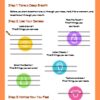
Use this clear rejection sensitivity poster to pause when an unanswered message, change in tone or piece of feedback starts to feel like proof that someone is unhappy with you. It gives a simple way to separate the facts from anxious assumptions before responding.
Parents, carers, counsellors and adults who often overthink social interactions may find this rejection sensitivity infographic useful for naming a difficult reaction. It is also relevant for teenagers and young people who worry that friends are angry, lose sleep over texts, or feel strongly affected by criticism and perceived disapproval.
The poster begins with familiar triggers, including a delayed reply, a quieter-than-usual friend, workplace feedback and a manager asking for a quick chat. It shows how the mind can quickly jump to thoughts such as “They’re upset with me” or “I’ve done something wrong”, helping readers recognise the gap between an event and the meaning attached to it.
Further sections explain why perceived rejection can bring up hurt, shame, anxiety or anger, alongside urges to send another message, apologise, become defensive or withdraw. It notes that rejection sensitivity is often discussed alongside ADHD, but is not a diagnosis on its own and can be experienced by people without ADHD.
A practical fact-checking prompt offers a useful coping strategy for anxious thoughts: identify what is known, notice what the mind is adding, then ask what else could explain the situation. Print it for a bedroom wall, school pastoral office, counselling session or workplace wellbeing conversation, and use it as a pause before reassurance-seeking, arguing or pulling away.